
Knowing How Many Portable Toilets Your Event Needs
Planning a successful outdoor gathering requires balancing a massive checklist, but few details impact guest satisfaction as heavily as sanitation logistics. If you under-plan, you wind up with endless lines and frustrated attendees. If you over-plan, you waste valuable budget space. Finding the sweet spot for your portable toilets setup keeps your crowd comfortable and your venue running smoothly.
The foundational calculation begins with your baseline headcount. According to industry insights from Evreka, general standards recommend booking one portable toilet for every 50 to 75 attendees when an event runs up to 4 hours, a ratio you will need to scale up if your timeline extends or if you are hosting a crowd with high alcohol consumption.
Factoring in Duration and Crowd Metrics
Time is the ultimate force multiplier when calculating sanitation needs. A two-hour community farmers market with attendees departing after finalizing their purchases demands far less infrastructure than an all-day music festival with drinks and snacks for sale. When people stick around for longer stretches, they will inevitably visit the facilities multiple times, putting a heavier strain on your overall capacity.
Crowd demographics also dictate how you allocate your resources. Events with a higher percentage of families with small children often require faster turnover and more frequent trips to the restroom. Similarly, if your event profile leans heavily toward women, you will want to adjust your numbers upward to prevent bottlenecking, as women typically spend more time inside the units than men.
Accounting for Alcohol and Concessions
What goes in must come out, and the type of concessions you serve will directly influence restroom traffic. Alcohol is a natural diuretic, meaning it drastically increases how often your guests will need to slip away to the facilities. If your event features a beer garden, wine tasting, or open bar, your baseline toilet calculation needs a significant boost.
In our experience, a good rule of thumb to follow is to increase your total unit count by at least 15% to 20% the moment alcohol is introduced to the mix. Food trucks, soda stations, and heavy hydration options also elevate demand, especially in summer months when guests are keeping cool with beverages. Anticipating these consumption habits early prevents the dreaded mid-event restroom crisis.
Evaluating Different Unit Categories
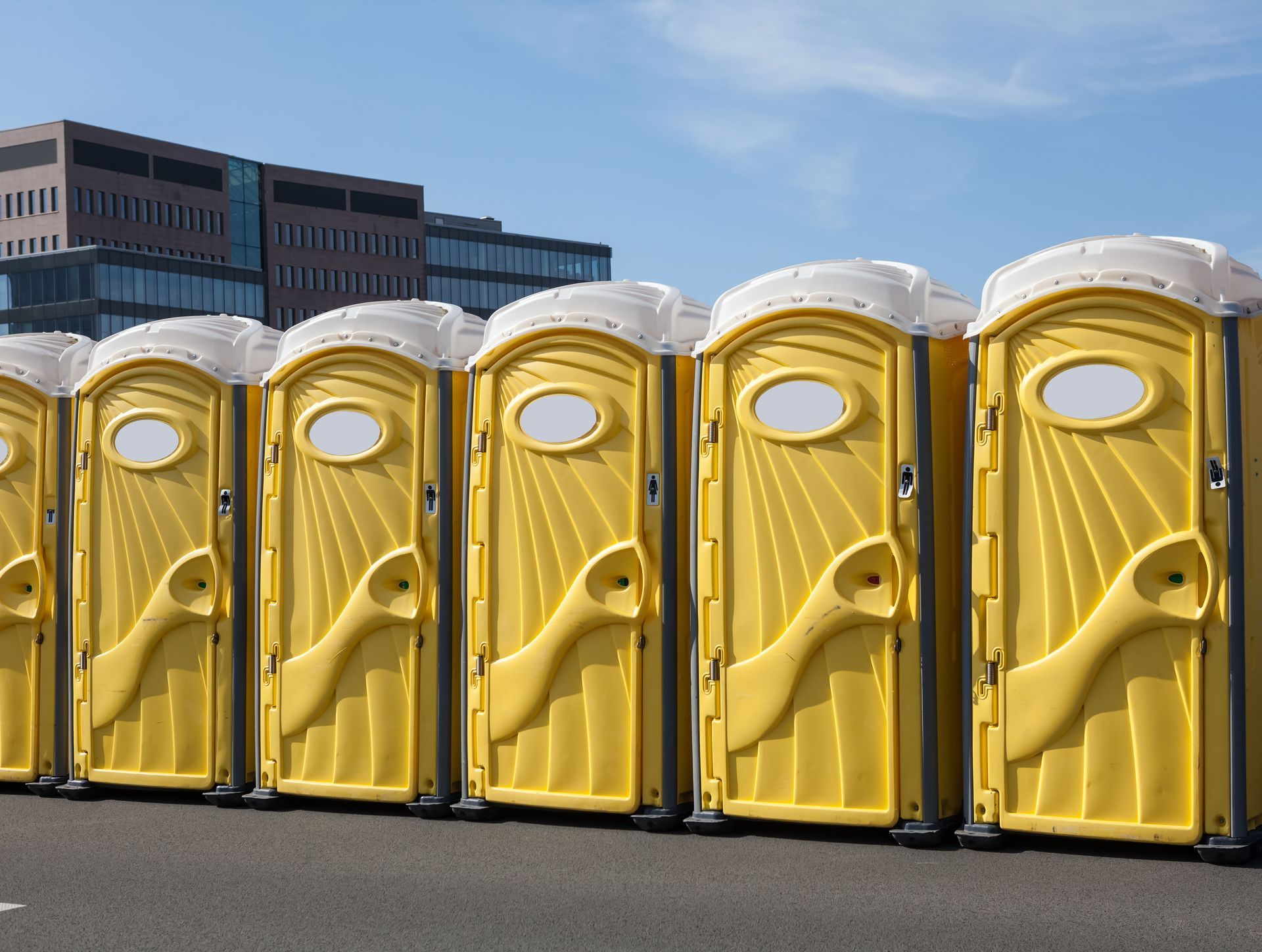
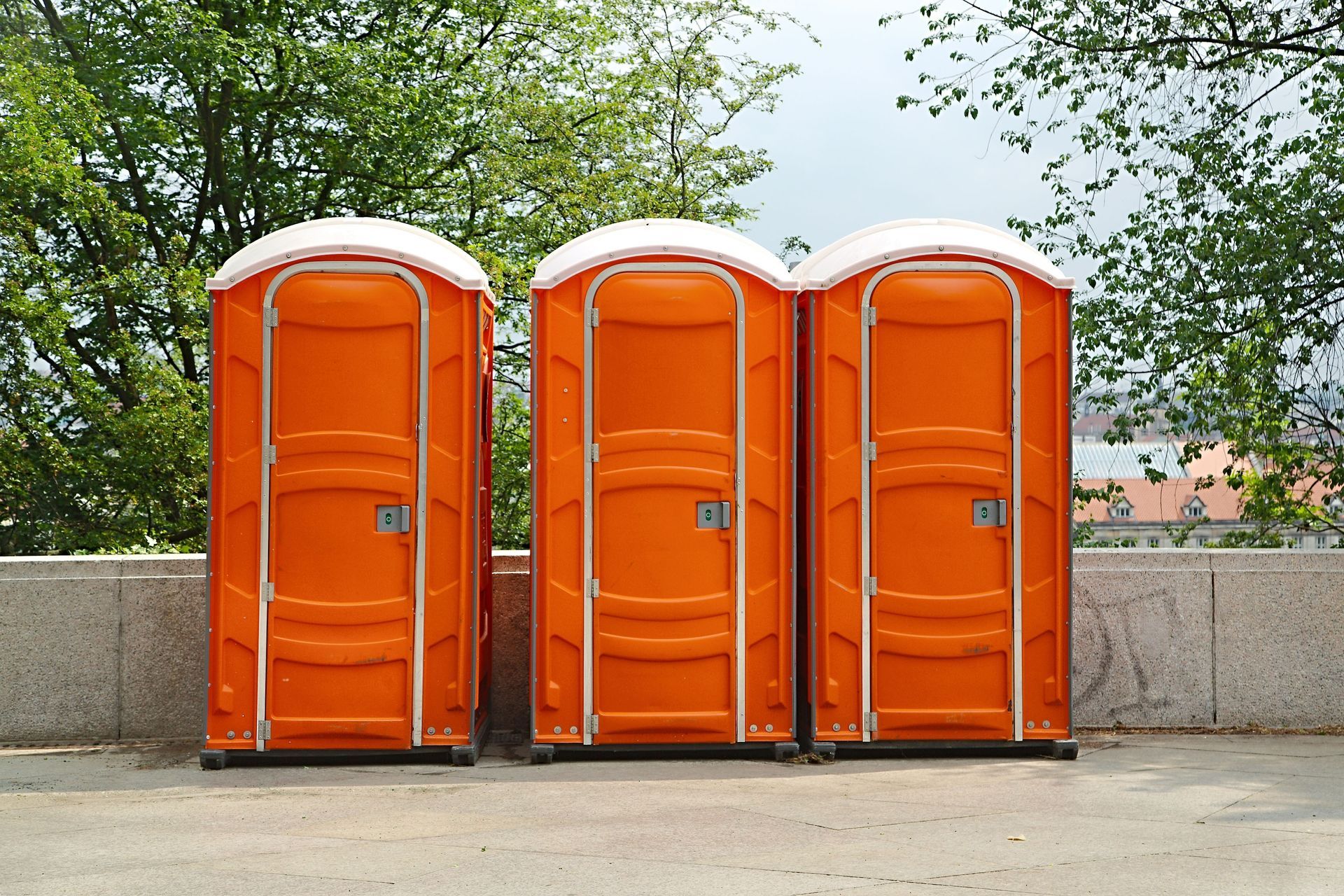
Not all sanitation options are created equal, and your layout should reflect the specific needs of your gathering. Standard units are the workhorses of the industry, perfect for high-traffic areas and casual events. However, relying solely on basic models might leave certain segments of your crowd stranded.
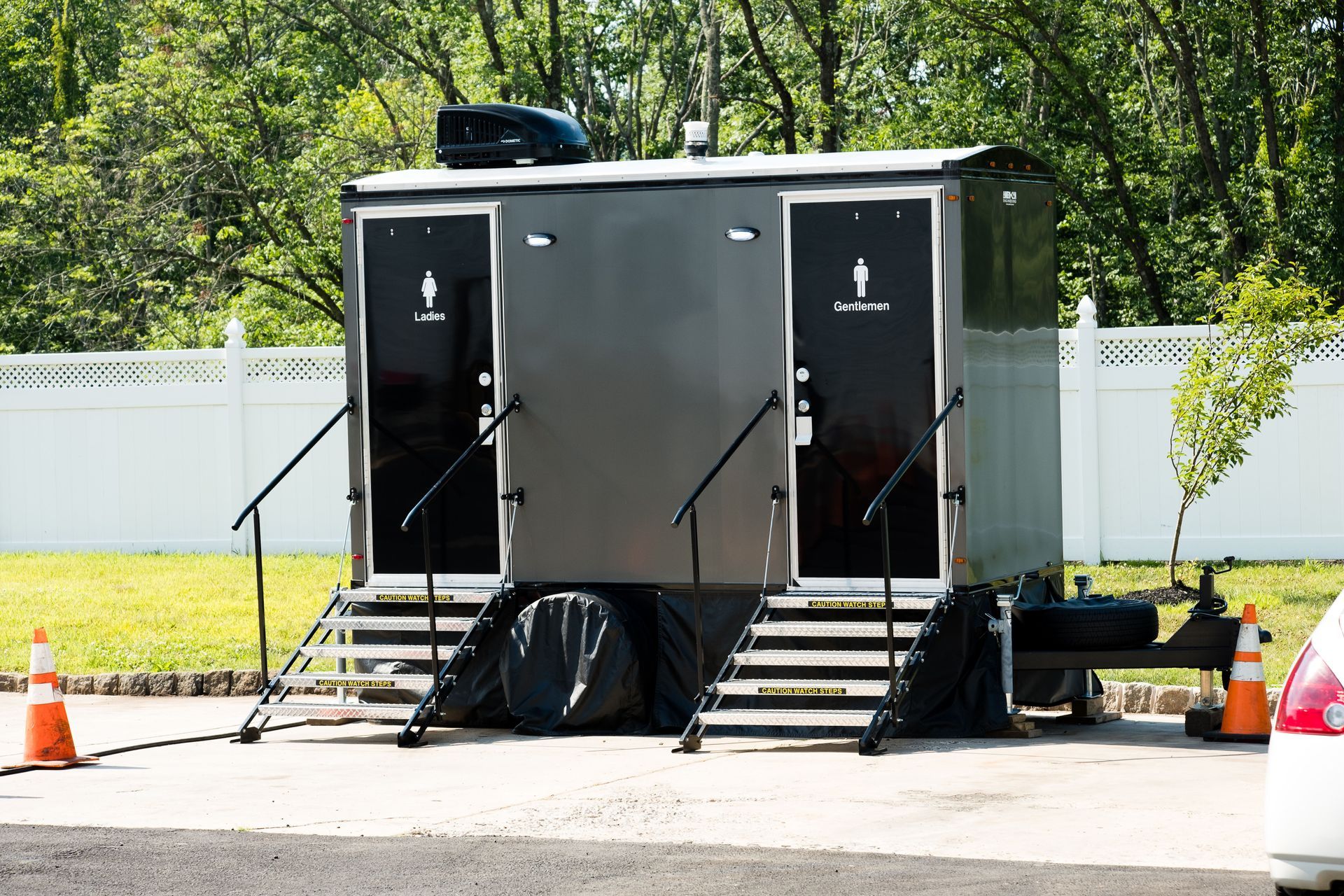
You must integrate ADA-compliant, accessible units into your strategy to ensure everyone can navigate the space safely and comfortably. Beyond accessibility, luxury restroom trailers offer a high-end alternative for weddings, corporate retreats, or VIP sections where cleanliness becomes a much higher priority. Combining these different styles ensures that your setup feels thoughtful rather than afterthought.
Determining Handwashing Station Placement
Sanitation does not stop at the restroom door; proper hygiene infrastructure is just as critical. Pair your individual portable toilets with dedicated handwashing stations to keep germs at bay and lines moving. If guests have to wait inside a unit just to wash their hands, it slows down the entire queue.
Placing freestanding sink stations directly outside the exit doors creates a logical, efficient flow of traffic. For food prep areas and concession zones, separate handwashing setups are often mandated by local health codes. Keeping hygiene top of mind protects your guests and elevates the professionalism of your operation.
Planning for Delivery and Maintenance
The best calculations can still fall flat if your delivery timing and site access are poorly executed. You need to coordinate with your vendor well in advance to ensure the delivery trucks can navigate your venue boundaries. Soft mud, tight corners, and low-hanging branches can all derail a drop-off schedule.
For multi-day festivals or events with massive attendance numbers, you also need to schedule active, on-site servicing. Relying on a vendor to drop off the portable toilets and walk away with none of the necessary additional services only works for short, small-scale gatherings. Having a crew on hand to pump out tanks, restock toilet paper, and sanitize surfaces mid-event keeps the environment pristine.
Maximizing Placement and Visual Signage
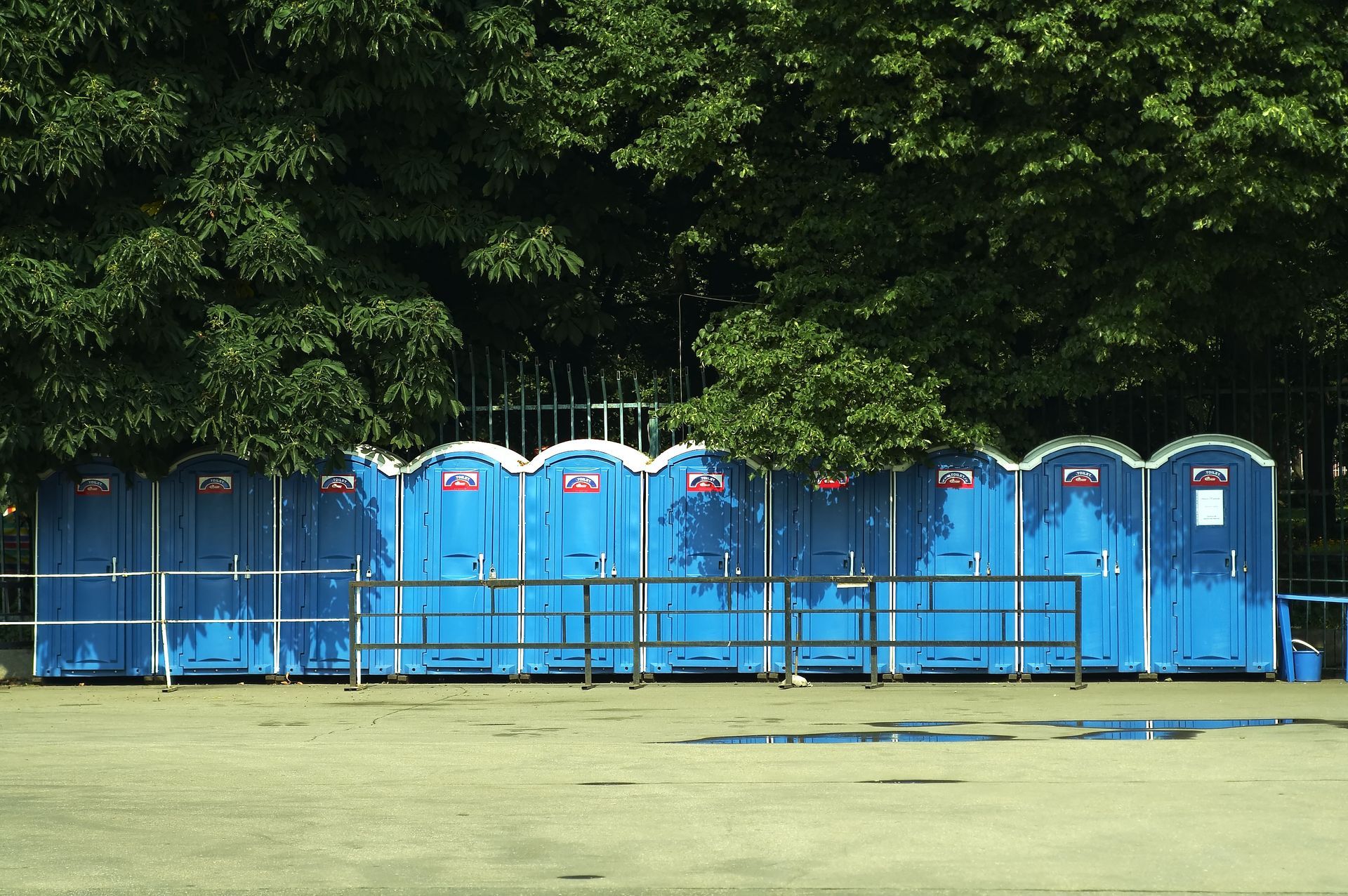
Where you place your infrastructure matters just as much as how many units you order. Grouping your portable toilets in a single, massive block can create a chaotic bottleneck in one corner of your venue. Conversely, scattering them too widely makes them difficult for attendees to spot when urgency strikes.
Aim for a decentralized approach by creating small, identifiable clusters near high-traffic zones like food courts, main stages, and exits. Use clear, elevated signage that can be seen over the heads of a dense crowd. Ensuring these areas are well-lit at night is also crucial for guest safety and vandalism prevention.
Reviewing Environmental and Weather Impacts
Mother Nature always has a vote in outdoor event logistics, and extreme weather shifts your crowd's behavior. On scorching summer days, guests will consume massive amounts of water and sports drinks, which steadily drives up restroom usage. In anticipation of more frequent use, you must ensure your units are placed in shaded areas whenever possible to prevent them from becoming unbearably hot inside.
High winds and heavy rain also demand strategic adjustments. Units need to be staked down or positioned against windbreaks on gusty days to prevent tipping hazards. If rain is in the forecast, placing your portable toilets on solid gravel or asphalt prevents the surrounding high-traffic zones from turning into impassable mud pits.
Budgeting for Hidden Rental Costs
When finalizing your event spreadsheet, look beyond the flat rental price of the physical units. Total sanitation costs frequently include delivery fees, setup charges, environmental compliance permits, and post-event cleanup rates. Skipping these line items during early budgeting can lead to stressful financial surprises down the road.
It is always wiser to allocate a small buffer fund for emergency additions or extra service runs. If ticket sales suddenly spike the week of the event, you will want the financial flexibility to call your vendor for reinforcements. Investing a bit extra into your sanitation footprint directly safeguards your event's reputation.
Finalizing Your Vendor Agreement
Before you sign on the dotted line, walk through every operational detail with your rental provider. Confirm their exact arrival and departure windows, and establish a clear point of contact for the duration of the event. A reliable vendor should act as a partner, helping you cross-reference your math against their real-world experience.
Make sure the contract explicitly states who takes responsibility for restocking supplies like hand sanitizer, paper towels, and fuel for onboard generators if you are using luxury trailers. Clear communication eliminates assumptions and ensures your team is not stuck in one of your rented portable toilets scrambling for toilet paper in the middle of the night.
Securing Your Event Sanitation Strategy
Nailing your restroom logistics takes a mix of simple math, crowd analysis, and proactive vendor communication. By understanding your crowd size and mapping out your venue layout early, you can easily avoid long lines and logistical headaches. Keeping your guests comfortable ensures they stay focused on enjoying the experience you worked so hard to create. For more information on the logistics of renting
portable toilets, please reach out to A-1 Services LLC today.
Share On: